Tap Water
Treated to meet safety standards, but quality varies by source, season and the pipes between the plant and your kitchen. Disinfection byproducts and local contaminants are worth understanding.
Water is one of the most fundamental foundations of health. But not all water is created equal. Let's look at what's actually in the water you're drinking, and what happens when we upgrade it.
A clear, research-forward look at what's in your water, how common water options compare, and what molecular hydrogen, electrolysis, ORP and pH actually mean.
Most of us think about how much water we drink. Fewer of us think about what's in it. Minerals, treatment byproducts, contaminants and plastics all shape the water you drink every day.
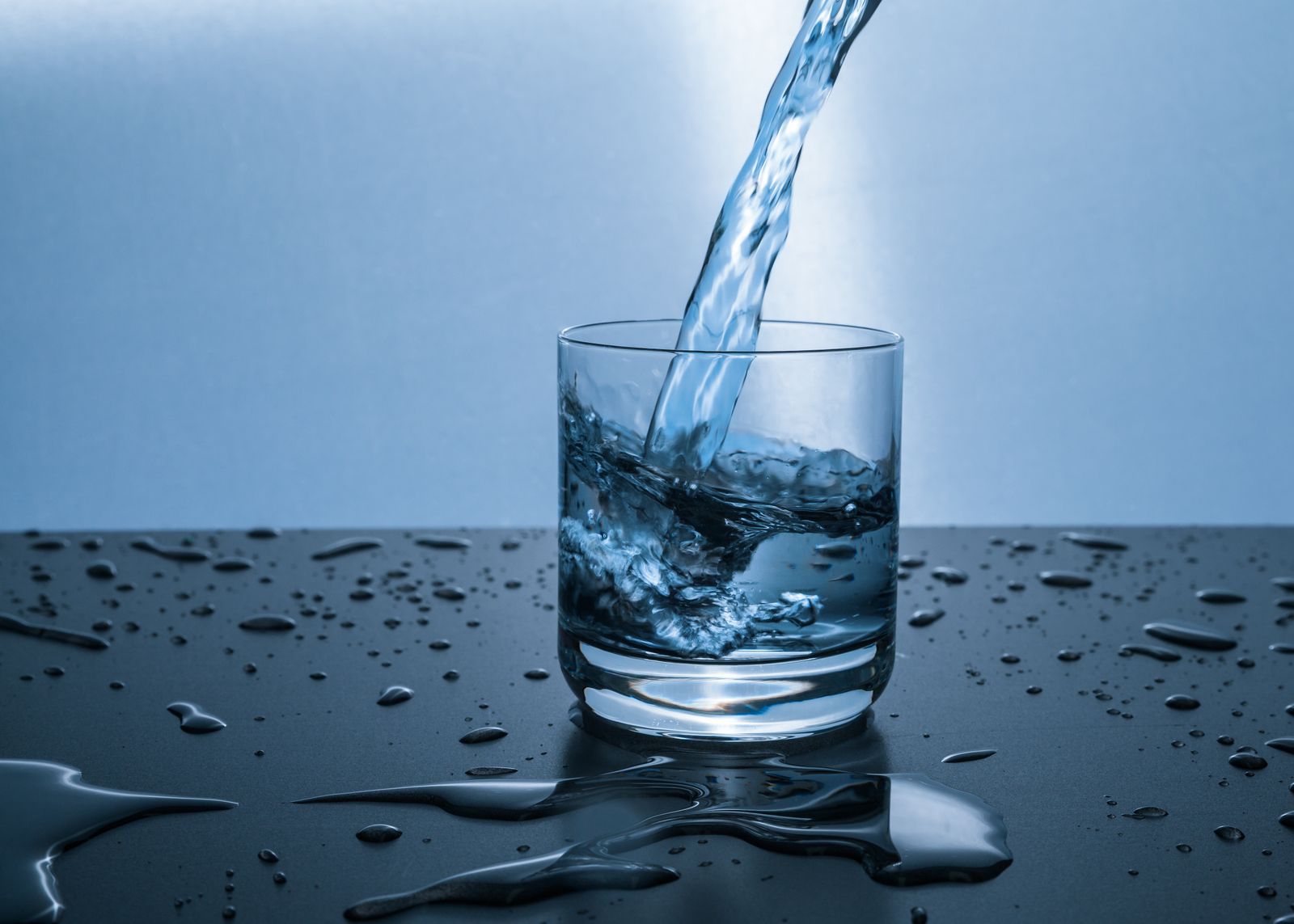
Treated to meet safety standards, but quality varies by source, season and the pipes between the plant and your kitchen. Disinfection byproducts and local contaminants are worth understanding.
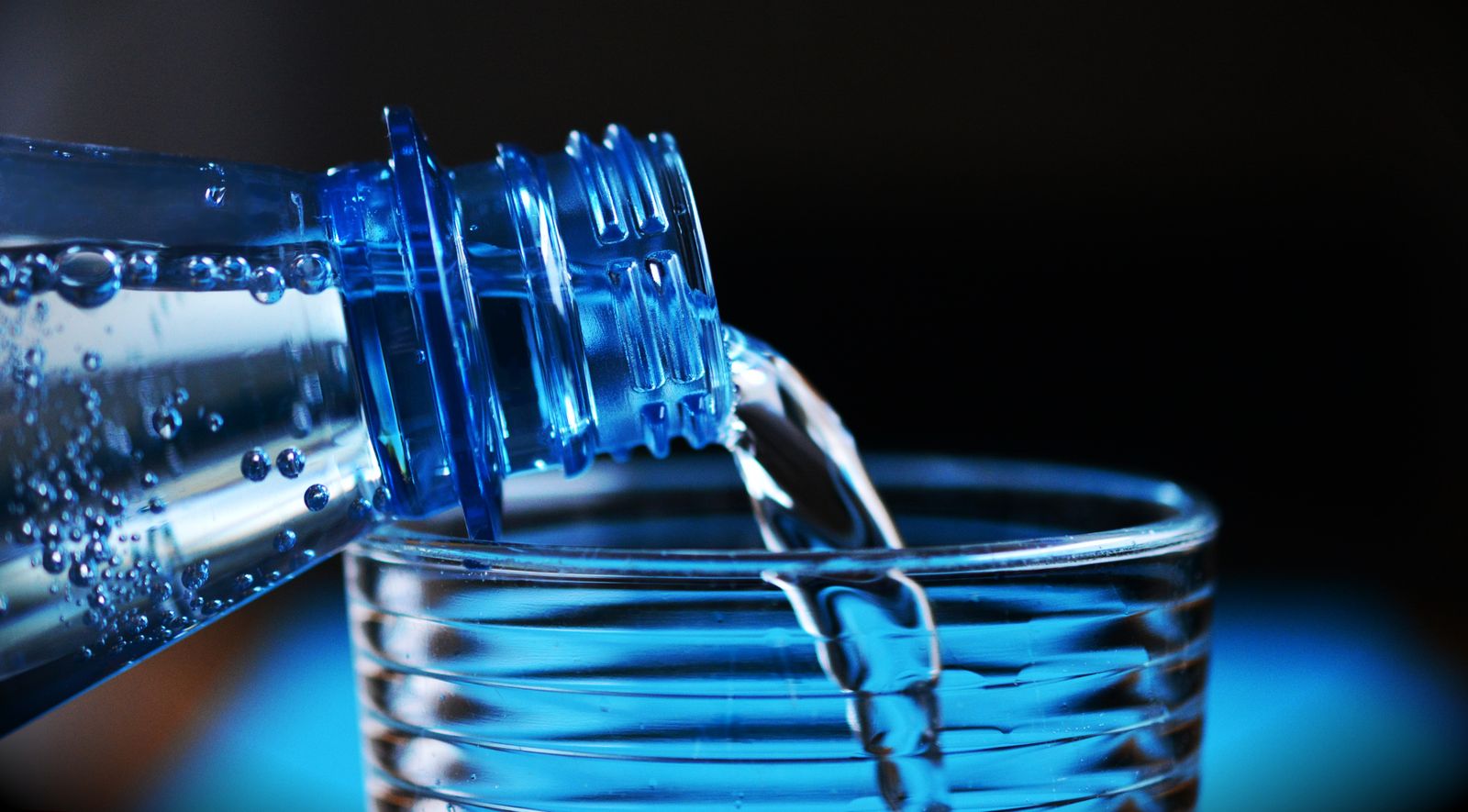
Convenient, but costly over time and packaged in plastic. Quality depends on the source, and storage conditions such as heat can matter.
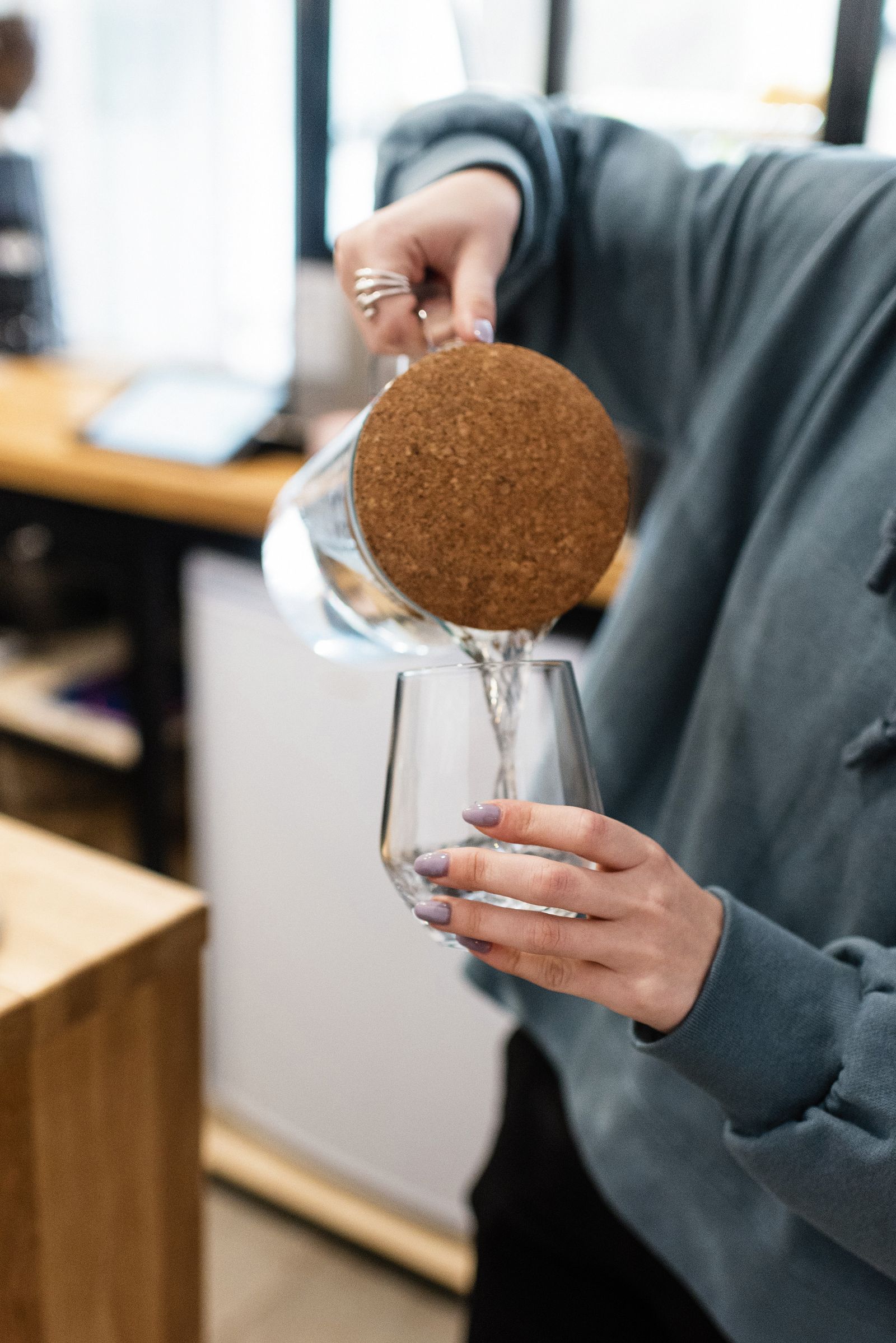
Quality depends entirely on the filter. Some reduce chlorine and taste issues; higher-grade systems are certified to reduce a wider range of contaminants.
Removes a broad range of dissolved substances, including many contaminants, along with naturally occurring minerals. Systems also produce wastewater.
Want to know what is in your local water? Your water utility publishes an annual water quality report, and home water testing can tell you more.
Filtration removes what you do not want in your water. Ionization, through electrolysis, changes the water itself, producing water with different pH levels and dissolved molecular hydrogen.
That is why Holly recommends thinking about water in layers: start with good filtration, then decide how you want to transform your drinking water.
Enagic's Kangen machines filter your water, then use electrolysis across a set of electrode plates to separate it into streams with different pH levels. The drinking settings also carry dissolved molecular hydrogen.
The K8 is the machine Holly personally uses and recommends. It offers several water settings from one countertop unit, so a single machine can cover drinking water and household uses.
Molecular hydrogen (H₂) is the smallest molecule there is. Its tiny size is one reason researchers are interested in how it moves through the body.
Much of the research focuses on redox biology: the balance between reactive oxygen species and the body's antioxidant systems. Some studies suggest H₂ may act as a selective antioxidant, while others have found no significant effect. Research into hydrogen-rich water is ongoing, and study quality varies.
We share this as education, not as a promise of any health outcome.
Household cleaning and degreasing. Not for drinking.
Everyday drinking water and cooking.
Filtered, neutral water for anything you want plain water for.
Rinsing skin and hair, and watering plants.
Surface cleaning. Not for drinking.
pH values are approximate and depend on your source water and machine settings. Follow the guidance for your specific model.
Creating a water system for a home has layers. It isn't about a single machine.
The right setup depends on your home's water, where you live, your goals and how comprehensive you want your system to be. Holly can help you understand the different layers and determine what makes sense for your home.
Build My Water Setup→We think a lot about the water we drink, but your shower and bath water are part of your daily environment too.
The Anespa DX is Enagic's home spa system, designed to filter shower and bath water and create a mineral-ion bathing experience. Water passes through a filtration stage and a mineral cartridge before it reaches your shower or tub.
If you have already upgraded your drinking water, bathing water is a natural next layer to consider.
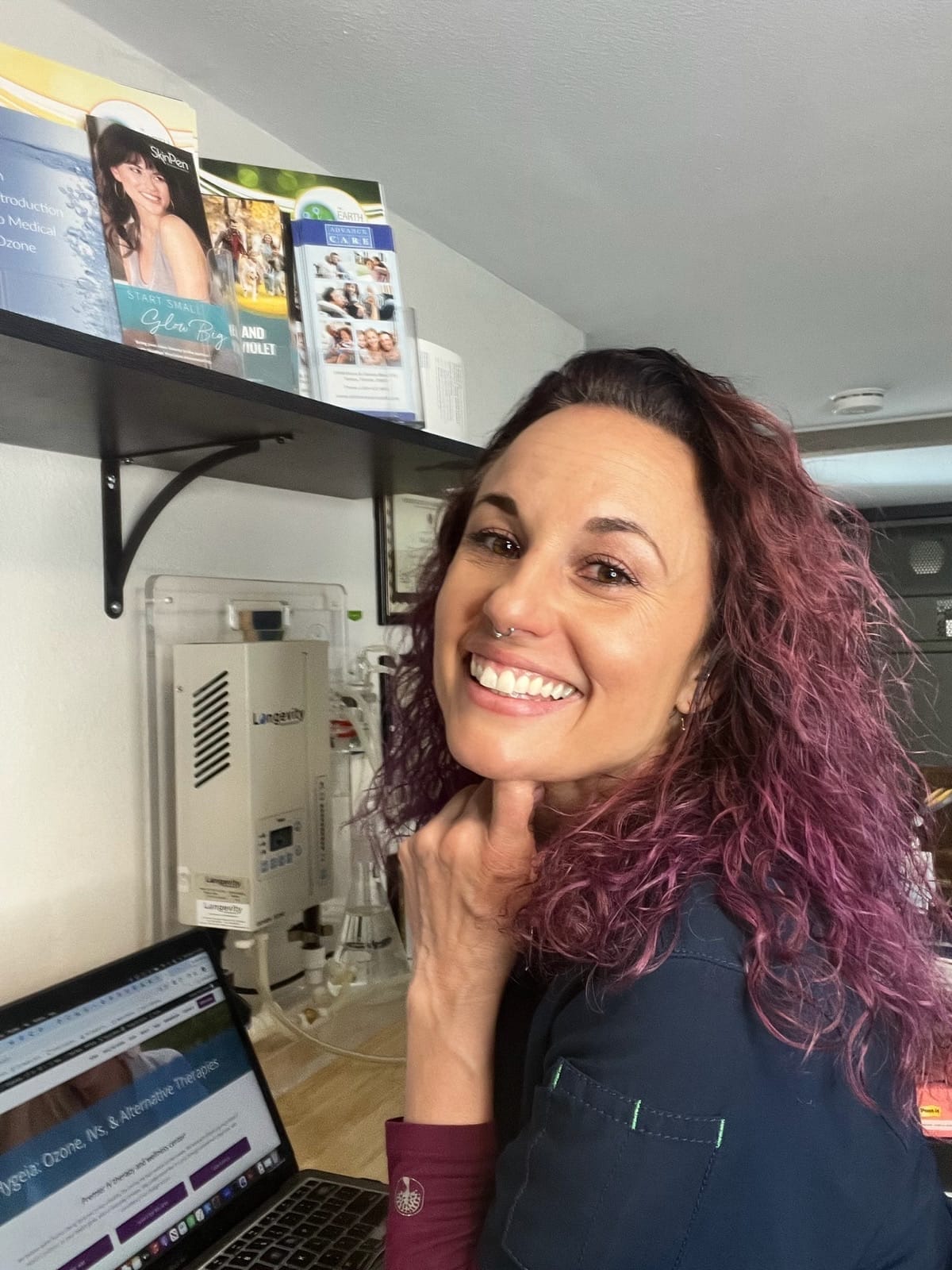
I've spent most of my career thinking about health, from years in emergency medicine to eventually moving deeply into holistic and root-cause wellness.
And one thing I've learned is that the basics matter.
Food. Water. Sleep. Your environment.
You can spend thousands of dollars on advanced therapies and supplements, but I still believe we have to start with what we're putting into our bodies every single day.
That's why water has remained such an important part of my own wellness lifestyle, and why I love helping other people understand their options.
No. Kangen machines include filtration, but their main function is electrolysis, which produces water at different pH levels and drinking water with dissolved molecular hydrogen.
Reverse osmosis is a filtration method that removes a broad range of dissolved substances, including minerals. Kangen machines filter and then ionize water through electrolysis. They do different jobs.
It depends on your source water. Holly often recommends MultiPure as a kitchen filtration layer before the K8. She can help you decide what makes sense for your home.
Kangen machines use replaceable filters and periodic cleaning of the electrolysis cell. Holly will confirm the details for this answer.
Holly will confirm the details for this answer.
The K8 is the machine Holly personally uses and recommends. The right choice depends on your household, your water and your goals. Book a call and she will help you choose.
Pricing depends on the machine and the layers you choose. Holly will walk you through current pricing when you talk.
Holly will confirm the details for this answer.
The Anespa DX is Enagic's home spa system for filtered, mineral-ion shower and bath water.
Yes. Many people start with drinking water and add bath and shower water as a later layer.
Yes. If you are interested in the business side, ask Holly and she can share more.
You don't have to figure out the technology, machines and water options by yourself. I'll help you understand the differences and determine what makes the most sense for your home, lifestyle and budget.